
The US TikTok ban has fascinated me this week, for countless reasons. While the US are merely one of the 160 countries with access to TikTok, North-American content creators have had an undeniable impact on internet culture.
Here’s 5 reasons why the US TikTok ban is fascinating.
- It’s the first time in internet history a leading social media is banned
The past 20 years have seen the rise and fall of many social media. It started with MySpace, MSN Messenger and Facebook, followed by YouTube, Twitter, Tumblr, Pinterest, Vine, We Heart It and Snapchat. Some are still very relevant, some have evolved in popularity and some disappeared, but always because of the natural evolution of social media, never at their peak due to a forced ban. Facebook was big until young people found it cringe to update their relationship status, and Instagram used to be a chronological feed of your friends’ meal, sunsets and latte art. If you think about it, it was the rise of Snapchat who forced Instagram to offer a story function, and TikTok, the reels. All platforms evolved with social media behaviours, pushing others to change and adapt, or be replaced, but it was never because of a sudden ban. In my opinion, TikTok would have only been pushed to the side the day a better social media (based on virtual reality for instance) emerges, but for the US’s users under a ban, there is no other gold mine to replace the irreplaceable. If TikTok will keep existing regardless, the US were second in number of users, after Indonesia. Hence my next question, where will all the US content creators go?
2. Where will US content creators go?
As said in the point above, it might be the first time in internet history creators must change platforms and rethink their content under such short notice, not because an app has become irrelevant, but because they are forced to, all while the whole world continues using TikTok business as usual. But where will they go? Which other app now allow US-users to broadcast their content the way TikTok used too? I have so many questions. If some content creators have been redirecting followers to their blogs or other platforms, their popularity now relies on direct engagement and not a worldwide FYP. My better half says that TikTok has the best algorithm to show you exactly the content you like or need (I’m pretty sure TikTok can diagnose you with ADHD, autism or eating disorders), so who will fill that void for the unlucky US users? A bunch of content creators are turning towards the chinese app REDNote but will the rest of the world follow?
3. What will happen to small businesses?
It’s common to stumble upon small businesses videos on one’s FYP, and it’s always been obvious that documenting the fabrication process or vlogging the packing of orders was for some a large part of their marketing, just like TikTok users were a large part of their customer base. I’ve been wondering how small businesses making sales through TikTok will survive and find new ways to reach international customers, and I’m genuinely curious about how content creators who’ve quit their normal jobs or made wealth through TikTok are going to adapt.
4. How will the ban change internet culture?
The US is not the center of the world but their impact on internet culture is undeniable, and the ban marks the end of the American’s influence on our FYP and trends. I am so curious to see how the disappearance of 160 million users will change social media culture, especially since the US play a large role in pop culture. Think of the ugly, unpractical Stanley cups, would they have reach European stores if not for US content creators?
If your FYP is similar to mine, say goodbye to Nara Smith cooking cereals from scratch, Emily Mariko’s salmon bowl, “How did you guys meet?” and “MATHEW!!”. Are we supposed to revert back to YouTube now to follow the P-Diddy lawsuit or the Lively/Reynolds/Baldoni mayhem? Where is Swiftie community going to gather now?
5. Will the ban have a positive impact on US-users mental health?
TikTok is only a blessing if you do not fall victim to a scrolling addiction. Guilty! For many young women, TikTok has been a positive force in educating us about mental and physical health, self-love, fashion and so on, but it has also let the less disciplined of us plagued with a chronic brain rot. If you have a love-hate relationship with TikTok, you’ve surely at least once hoped the app would disappear. For many, TikTok usage was correlated with a decline in concentration and exposure to more complete source of entertainment such as movies, documentaries, books or newspapers.
After deleting TikTok, I’ve found myself becoming more mindful, connected, inspired and calmer. I’ve also started reading newspapers and blogs again, building healthier habits towards entertainment. Now imagine this effect times 160 million.
I cannot stop wondering how a very sudden and radical TikTok ban will influence US’s users mental health, suddenly free of a scrolling addiction and brain rot, waking up from a slumber to realize the space TikTok took in their lives.
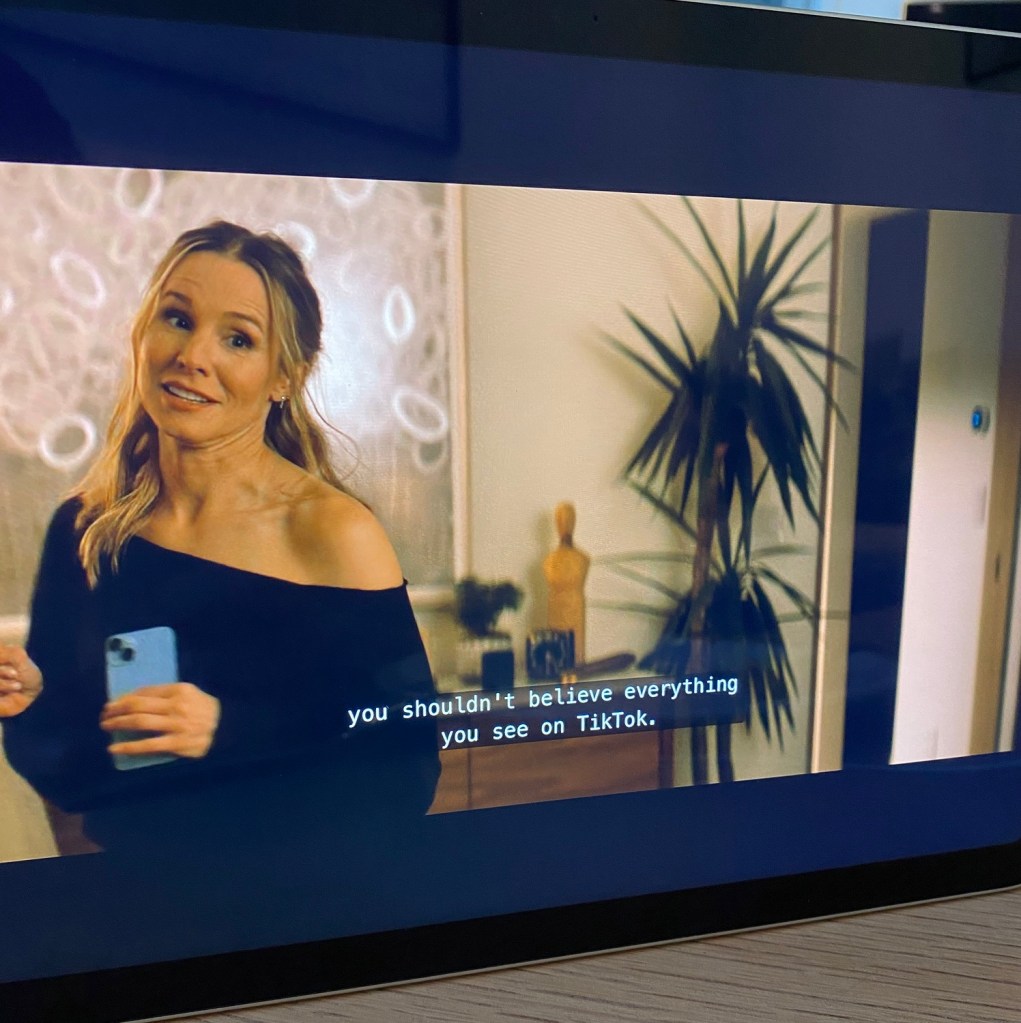
If it’s bittersweet to see US content creators go, one last trend that emerged these past few days have made users realize that maybe it’s for the best: content creators have been confessing to the lies they built their brand and narratives on. If sarcasm lovers knew Nara Smith did not cook bagels from scratch at 3 a.m in a designer dress, that Meredith Duxbury did not really use 10 pumps of foundation or that Poot was a nickname, some learnt that the fitness influencers they followed did not actually use the work-out they offered; some even got a BBL or faked recipes. Many content creator confessed staging videos that made them viral proving once more that social media is not reality and that influencers promotes unrealistic standards they can’t achieve themselves.
Chapter 26


 Chapter 26
Leave a comment